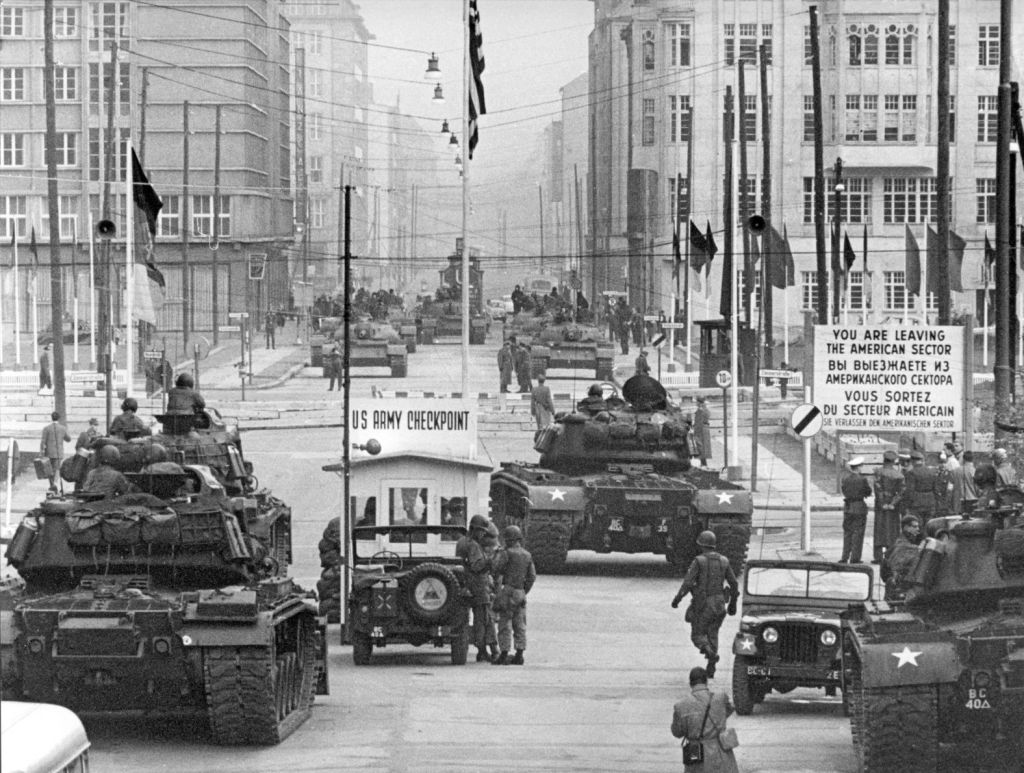
When does violence become an armed conflict in legal terms? The answer matters because classification determines which rules apply, who is protected, and how force may lawfully be used.
Main legal takeaway
The legal question is not whether a situation is called a “war,” but whether the facts trigger the law of armed conflict. For a non-international armed conflict, the main indicators are intensity and organization. For an international armed conflict, the threshold is lower: even limited armed force between states can be enough to trigger IHL.
Why the question matters
In public debate, people often ask whether a situation “counts as war.” International humanitarian law asks a narrower and more practical question: have the facts crossed the threshold that activates the law of armed conflict?
That distinction is not semantic. Classification determines which legal framework governs the use of force, detention, targeting, civilian protection, and potential individual criminal responsibility. In other words, getting the classification right is the entry point to getting the law right.
Anatoly Stepanov/AFP via Getty Images.
When violence does not yet amount to armed conflict
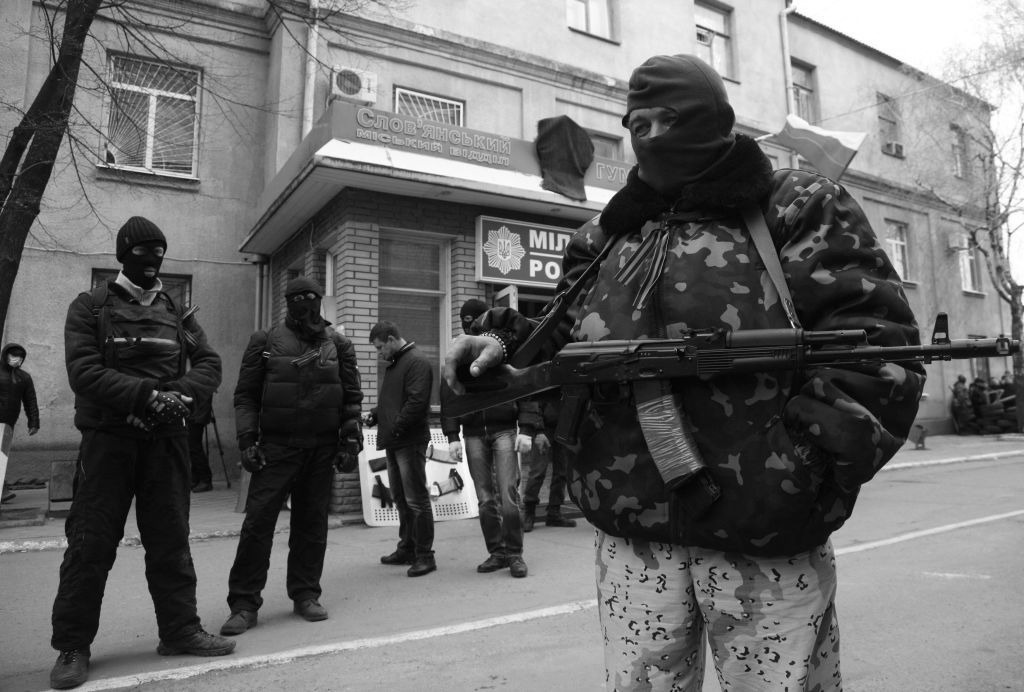
Many violent situations never cross the threshold into armed conflict. Protests, riots, internal disturbances, and sporadic acts of violence may be grave and politically consequential, but they are usually governed by domestic law and international human rights law rather than IHL.
This is why the threshold question matters. The existence of violence alone is not enough. The legal issue is whether the violence reaches a level and form that transforms the situation into an armed conflict for the purposes of IHL.
Non-international armed conflict: the two main indicators
For a non-international armed conflict, the assessment usually turns on two cumulative indicators developed in international practice and case law: intensity and organization.
Legal basis
Common Article 3 provides the treaty minimum for non-international armed conflicts under the Geneva Conventions.
Article 1 of Additional Protocol II helps frame when internal violence rises to the level of non-international armed conflict.
The Tadic line of case law developed the two main practical indicators used in this article: intensity and organization.
Intensity asks whether the violence is sustained and collective rather than isolated or sporadic. Relevant factors include the frequency and duration of clashes, the type of weapons used, the level of casualties, the scale of destruction, and whether the state is using military force rather than ordinary policing tools.
Organization asks whether the armed group is capable of operating as a party to a conflict. Indicators include a command structure, the ability to plan operations, internal discipline, access to weapons, and a degree of operational coordination.
Neither factor is mechanical. The assessment is always fact-specific. But the central point is clear: not every serious outbreak of violence is a non-international armed conflict, and not every armed group is sufficiently organized to trigger IHL.
International armed conflict: a much lower threshold
The threshold for an international armed conflict is strikingly low. Under contemporary IHL, any resort to armed force between states can be enough. Unlike the NIAC analysis, there is no minimum requirement of duration or intensity before the law starts to apply.
That means even a brief exchange of fire across a border, or the unconsented deployment of troops onto another state’s territory, can trigger the law of international armed conflict. The logic is protective: the rules should apply from the first moment at which inter-state force is used, not only once events escalate into a larger war.
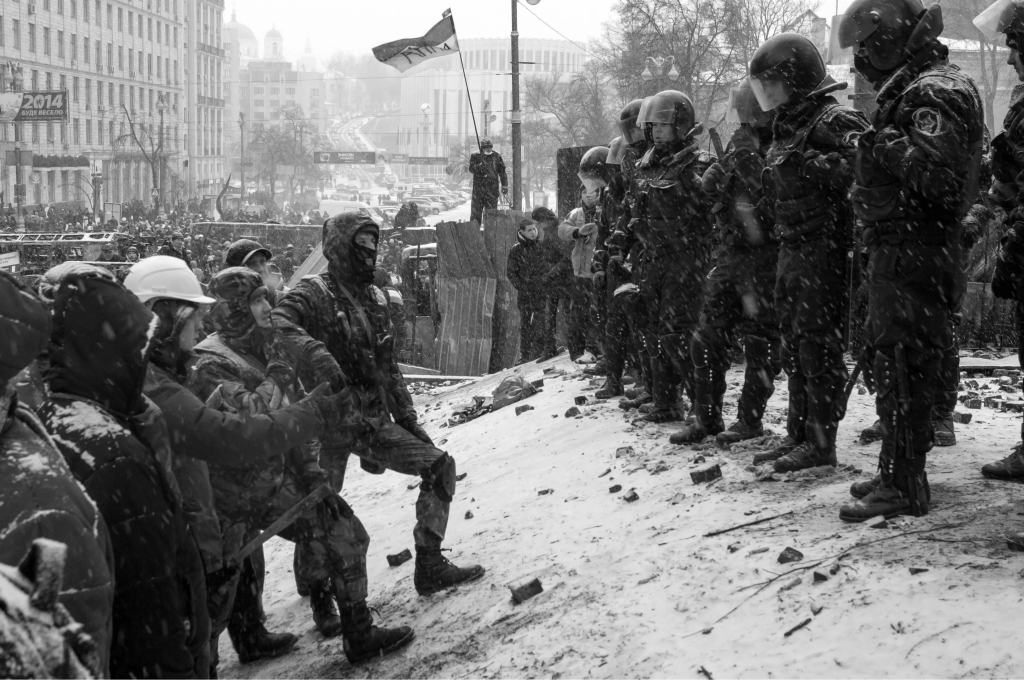
Protestors confront police in Kyiv, Ukraine, as anti-government protests turn violent. Lena Osokina/Shutterstock.
What sits below the threshold
Not every border incident or hostile act triggers IHL. An accidental crossing during a training exercise, immediately corrected and unaccompanied by force, would not normally amount to an international armed conflict. Nor would every isolated act by an individual soldier automatically transform a situation into one governed by IHL.
This is why legal classification cannot be reduced to rhetoric. It depends on the facts, the identity of the actors, the scale and character of the violence, and the broader context in which the event occurs.
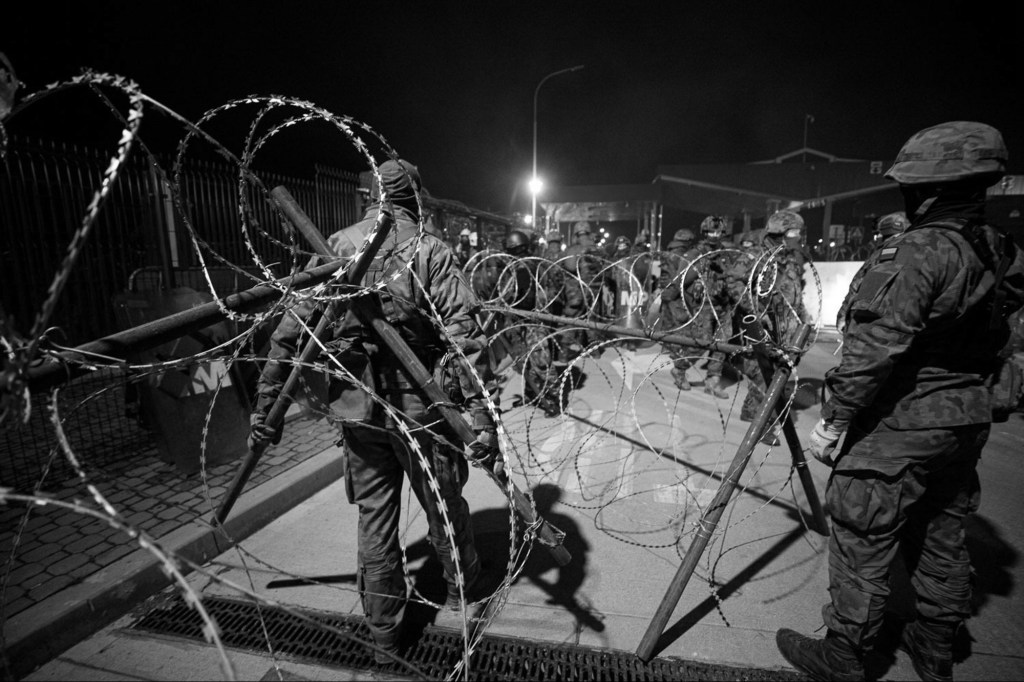
The Situation on the Poland-Belarus Border, 2021 /FLICKR.
Why misclassification matters
If a situation is incorrectly treated as falling below the threshold of armed conflict, the legal protections available to civilians and detainees may be misunderstood, delayed, or denied. If it is wrongly treated as an armed conflict, states may invoke an inappropriate legal framework to justify conduct that should instead be judged under human rights law or domestic law.
The threshold question therefore has direct operational consequences. It shapes what force may be used, what obligations apply, how accountability is assessed, and what forms of protection individuals can claim.
Conclusion
The legal question is not whether a situation is called a war, but whether the facts trigger the law of armed conflict. For non-international armed conflicts, the key indicators are intensity and organization. For international armed conflicts, the threshold is lower and can be crossed by even limited inter-state force.
That is why the threshold of armed conflict is more than a doctrinal puzzle. It is the line that determines which rules govern violence, which protections activate, and how law begins to shape the conduct of conflict.

Regional reports on the implementation of international humanitarian law. 26-03-2025 / ICRC.
